
Magnesium is one of the most popular supplements we’re asked about, and one of the most confusing to buy. Citrate, glycinate, malate, oxide… the same mineral comes in a dozen forms, and the form genuinely matters: it changes how well your body absorbs it and what people tend to use it for. Here’s a plain-English guide to choosing the right one.
The 30-second version
| If you want… | A commonly chosen form | Why |
|---|---|---|
| Sleep & calm | Glycinate (bisglycinate) | Gentle on the stomach, bound to the calming amino acid glycine |
| Digestion & regularity | Citrate | Well absorbed, with a mild natural laxative effect |
| Daytime energy | Malate | Bound to malic acid, which is part of the body’s energy cycle |
| Focus & memory | L-threonate (Magtein®) | The form most researched for the brain |
| Aching muscles | Topical oil / spray | Absorbed through the skin, bypassing the stomach |
The forms, explained
Magnesium Glycinate (Bisglycinate)
Magnesium bound to glycine, a naturally calming amino acid. It’s one of the gentlest forms on the digestive system and the one most people reach for to support relaxation, restful sleep and easing tension, without the laxative effect some other forms have.

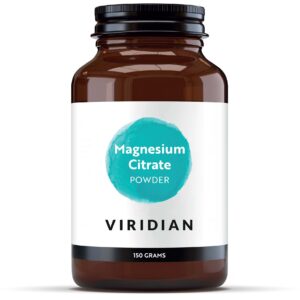
Magnesium Citrate
A well-absorbed, great-value all-rounder. Citrate has a mild natural laxative action, so it’s a popular choice for anyone who wants to top up their levels and keep things regular. A sensible default if you’re not sure where to start.
-
Magnesium
Magnesium Citrate
Price range: £16.60 through £23.70 Select options This product has multiple variants. The options may be chosen on the product page


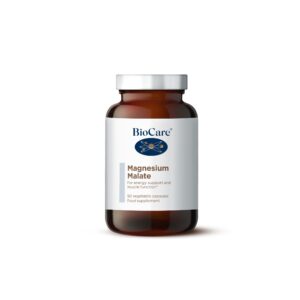
Magnesium Malate
Magnesium paired with malic acid, a compound your cells use to make energy. It’s often chosen by people who feel tired or run-down and prefer to take their magnesium during the day rather than at night.
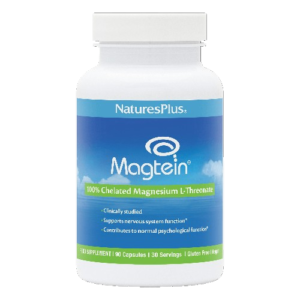
Magnesium L-Threonate (Magtein®)
A newer, premium form developed specifically to reach the brain. It’s the form studied for supporting memory, focus and cognitive wellbeing, the one to look at if brain health is your priority.
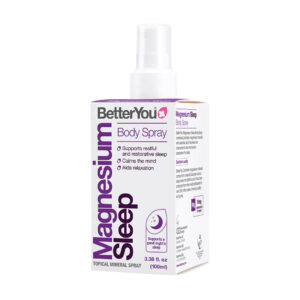
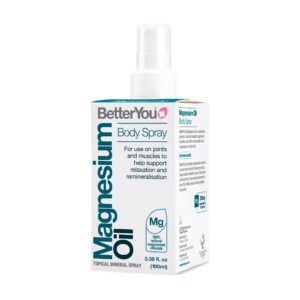
Topical Magnesium (Oil, Spray & Flakes)
Applied to the skin rather than swallowed, so it skips the digestive system entirely, handy if tablets upset your stomach, or for targeting tired, aching muscles directly after exercise or a long day on your feet.

A note on Magnesium Oxide
You’ll see magnesium oxide on a lot of cheap supplements. It contains a lot of magnesium by weight, but your body absorbs relatively little of it, which is why it’s mainly used short-term for constipation rather than for topping up your levels day to day. If value and absorption matter, citrate or glycinate are usually the better buy.
How much, and when?
Most magnesium supplements provide somewhere around 150–400mg per day. Calming forms like glycinate are often taken in the evening; energising forms like malate in the morning. Always follow the dose on the label, and start low if you have a sensitive stomach.
Still not sure?
Pop in to the shop or drop us a line, 30 years of helping people choose means we’ll point you to the right one.
Shop All Magnesium